Last year was theory. This year is shipping.
For the last couple of years, this whole field has lived in theory. Demos. Sizzle reels. Proofs of concept. Decks full of what might be possible someday. That work mattered — it's how you learn, and a lot of smart people put in real hours testing the edges of what these tools could do.
This year felt different. This year is about shipping.
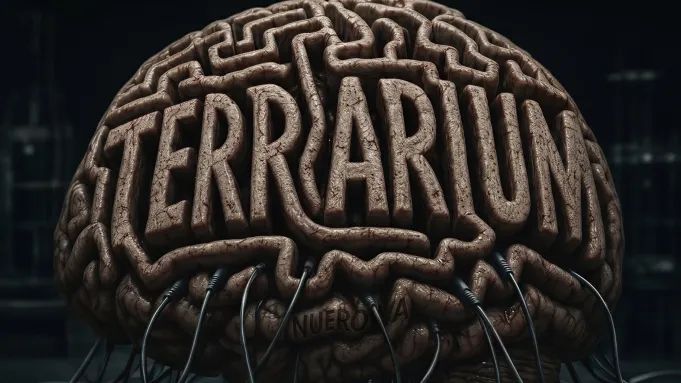
Terrarium is in production right now. We're shooting live action in Los Angeles. We're casting, with news coming in the next few weeks. We're storyboarding and testing shots — running things in parallel that a traditional pipeline makes you do one at a time, which is one of the things this way of working genuinely opens up.
And we're doing it inside a fully DGA and SAG-AFTRA–compliant workflow. That was a deliberate choice. The guilds have spent the last year drawing the lines for how this is supposed to work, and we wanted to build inside those lines, not around them. We're pulling in real department heads — a cinematographer, a production designer — and giving filmmakers more control over consistency, over craft, over the image. None of this is about replacing anyone. It's about what a small, sharp team of people can make when the tools finally keep up with the ideas.
That's the move I think the whole industry is making right now: from talking about it to actually doing it.
Why this one matters to me
I've spent a long time with one foot in each of these worlds — entertainment and AI — back when keeping both was an unfashionable thing to do. Take This Lollipop. The Forest. The brand work. Secret Level Academy, where we're trying to help people upskill instead of panic, because I really don't see any of this as doom and gloom. I see it as fun, and as liberating, and I've said so out loud for years.
Terrarium is where those threads finally meet a feature film. For a long time I've been making the case that this moment was coming. The nice part now is that I get to stop making the case and just make the movie.
On the film itself I'll keep it short: the way it's being made and the story it tells are the same thing — you can't pull them apart, and that's the point. When Steven describes it, he says it's unlike anything he's been part of in twenty years of genre filmmaking. I'll let that sit.
The week itself
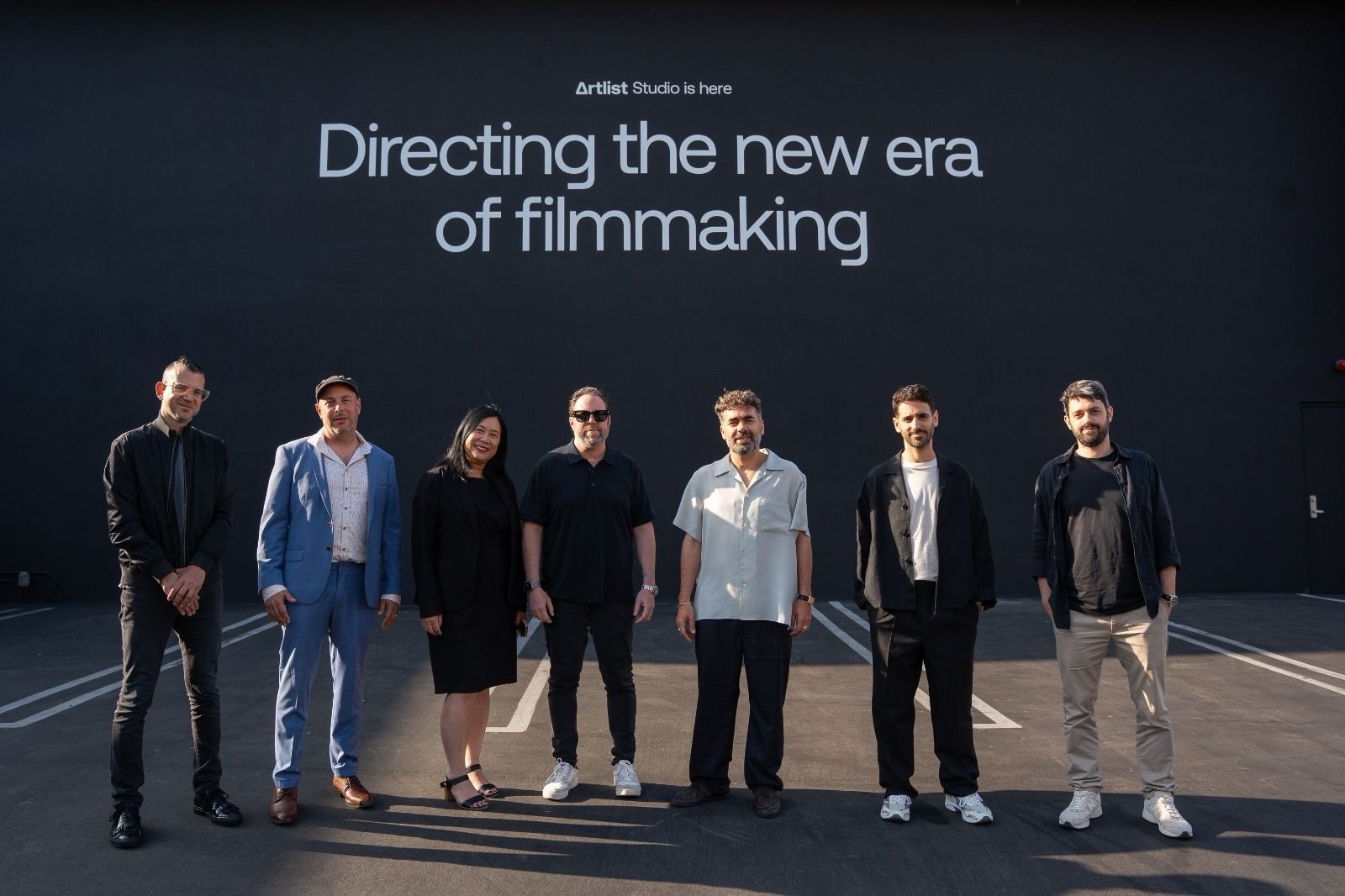
We kicked things off at Artlist's launch party for Artlist Studio, and I'll just say it — it was one of the best events of the week. The room had a real charge to it. Ira Belsky and the Artlist team have built something serious, and you could feel that everyone there knew it.
I also got to sit on a panel I loved: State of the Market: Who's Buying AI Pitches and How They Get Made, with Lesley Silverman of UTA, Nik Kleverov of Native Foreign, and Momo Wang. It was the right conversation for the moment, because "who's buying and how do these actually get made" has stopped being a hypothetical. Across the field, projects are moving from pitch to production. You can watch it happening in real time.
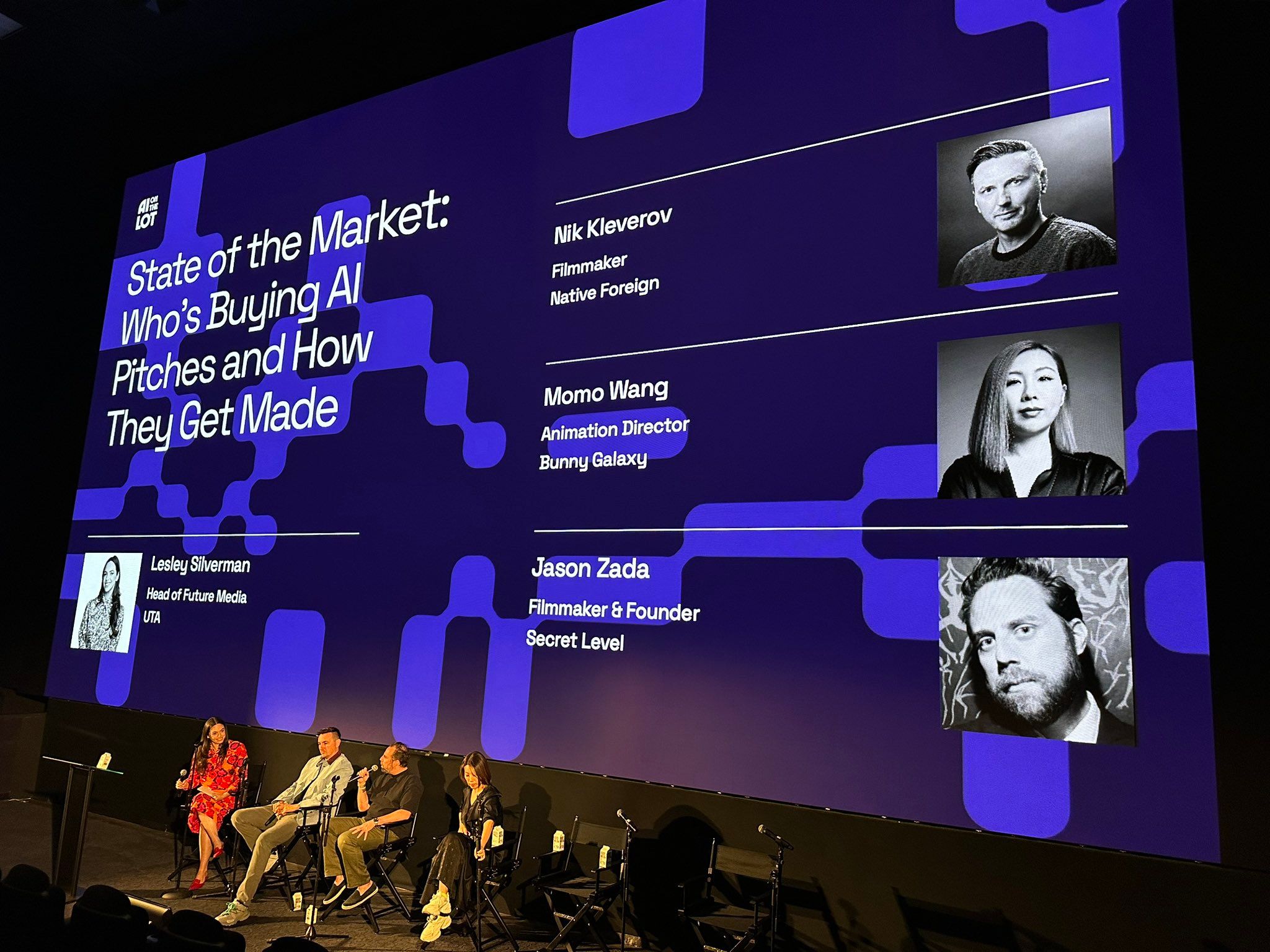
And the scale of it all got me. AI on the Lot started as a few hundred of us in a single room a few years ago. This year it sprawled across the Amazon lot, thousands of people deep. I got to stand around with friends I've known since this was a fringe idea, and welcome in a wave of new faces just getting started. That mix is the best part of the whole thing — the room got a lot bigger without losing what made it good in the first place.
The time is now
If there's one thing I took from last week, it's that the conversation has finally caught up to the work. We spent a couple of years testing whether this was possible. Now people are shipping — real projects, real productions, going out into the world.
That's a big deal. It's the part I've been waiting for. And we're just getting started.
— Jason Zada